
¡Hablamos Español!

912-200-5230

Types of Spinal Cord Injuries in South Carolina

According to the National Spinal Cord Injury Statistical Center, about 17,700 people receive a spinal cord injury each year in the United States.  Sustaining a spinal cord injury is a serious event that can drastically alter the course of your life. The injury may require full-time, lifelong medical care. As a victim of a spinal cord injury, you may suffer from the financial burdens of expensive medical bills and lost wages. If you have received a spinal cord injury in the state of South Carolina, our team at Nye Law Group is here to help. 

If your injury was the result of the negligence of another party, you may have the grounds to make a liability lawsuit. Hiring a lawyer who is well-versed in South Carolina’s personal injury laws is the best way to ensure that you make the strongest case possible for yourself.

Spinal Cord Injury in South Carolina

There are different types of spinal cord injuries. Your spine has four different sections. These are the cervical, sacral, lumbar, and thoracic regions. Spinal cord injuries are differentiated by the area that was injured. Depending on the type of injury, the outcome might be long-term pain, partial loss of movement and feeling, or complete paralysis. When it is the lumbar or sacral region that is injured, it usually results in the weakening of the legs and the lower part of the body. This is known as paraplegia. Quadriplegia results in weakening of the arms and legs.

When the part of the body below the injury loses all motor skills and sensation, it is known as a complete spinal injury (CSI). If an individual suffers an incomplete spinal injury, he or she still has the ability to move the area below the injury and some sense of feeling remains.

Types of Spinal Cord Injury

Anterior Cord Syndrome: The motor and sensory pathways in the anterior part of the spine are affected.  Some sensation may remain, but the individual cannot move the damaged area.

Brown-Sequard Syndrome: Only one side of the spinal cord is affected. This has an effect on the other side of the body, due to the way that nerve pathways move in the body.

Central Cord Syndrome: Central cord syndrome occurs when the nerve fibers running from the brain to the spinal cord are damaged. This can lead to paralyzed hands and arms, but not legs and feet.

Possible Causes of Spinal Cord Injuries

There are many different incidents that may result in a spinal cord injury. These include:

  • Automobile accidents
  • Injuries at the Workplace
  • Falls
  • Product Malfunctions
  • Sports Injuries

Symptoms of a Spinal Cord Injury

These are some of the common symptoms that may accompany a spinal cord injury:

  • Loss of mobility
  • Loss of feeling
  • Spasms
  • Lack of bladder or bowel control
  • Difficulty breathing
  • Pain and numbness
  • Weakness in muscles

South Carolina Spinal Cord Lawyer

If you or a loved one have suffered from a spinal cord injury, you have the opportunity to seek legal compensation. Our expert team of lawyers at the Nye Law Group have the knowledge and skills to assist you during this trying time. Contact us at (912) 200-5230 to find out more about what options are available to you.
Tragic Effects of Birth Injuries in North Carolina

Giving birth is a taxing and emotional experience. The last thing that you want on your mind is to worry about the safety of your newborn baby. Having your baby sustain an injury during the birthing process is a traumatic and heartbreaking event. Not only do you have to deal with the tragedy of your baby’s injury, but the cost of medical treatment can also impose a financial burden on your family. If your baby sustained birth injuries in North Carolina due to the negligence of another party, you have rights. Our legal experts can help you in exploring the options that you have available for taking legal action.

Types of Birth Injuries in North Carolina

There are many different types of injuries that a baby may receive during the birthing process. These include:

  • Cerebral Palsy
  • Muscle-related Injuries
  • Brachial Plexus
  • Klumpke’s Palsy
  • Erb’s Palsy
  • Shoulder Dystocia

In some instances, birth injuries are the result of medical malpractice. One mistake during childbirth can have monumental consequences. If your baby’s injury was caused by the irresponsible actions of a medical professional, the best way to proceed is to get in contact with an expert lawyer. Our team will investigate the event and determine what the best course of action for your family is.

North Carolina Statute of Limitations

As with any type of case, there are certain rules and regulations that exist in North Carolina that one must follow when filing a birth injury lawsuit. The statute of limitations for filing a birth injury lawsuit is three years in the state of North Carolina. This means that you must file within three years of the date that the injury occurred. There are, however, exceptions to this rule. You are granted one extra year to file if your baby’s injury becomes apparent after the three year period has ended, within a reasonable amount of time.

Another exception exists in instances where an object remains inside the baby after a post-birth injury surgery. In these cases, there is a time period of up to 10 years after the date of the surgery in which the lawsuit may be filed.

Proving Medical Malpractice

In order to prove that an act of medical malpractice occurred, at least one medical expert must testify in court. The expert is required to provide the court with an affidavit which says that they examined the details of the case and that they believe that the injury was the result of medical malpractice.

Compensation in North Carolina

If you win a birth injury trial in North Carolina, there are different types of compensation that you may receive.

Non-economic Damages: These are rewarded for things that are difficult to assign a monetary value to, such as pain and the effect the injury has on one’s life.

Economic Damages: This is compensation for expenses such as medical bills and the cost of hiring a legal team.

North Carolina Birth Injury Lawyer

If your child sustained a birth injury due to the incompetence of a medical provider, you may be eligible for receiving compensation. Allow us at the Nye Law Group to provide you with the legal services that you need. Contact us at (912) 200-5230 to learn more.


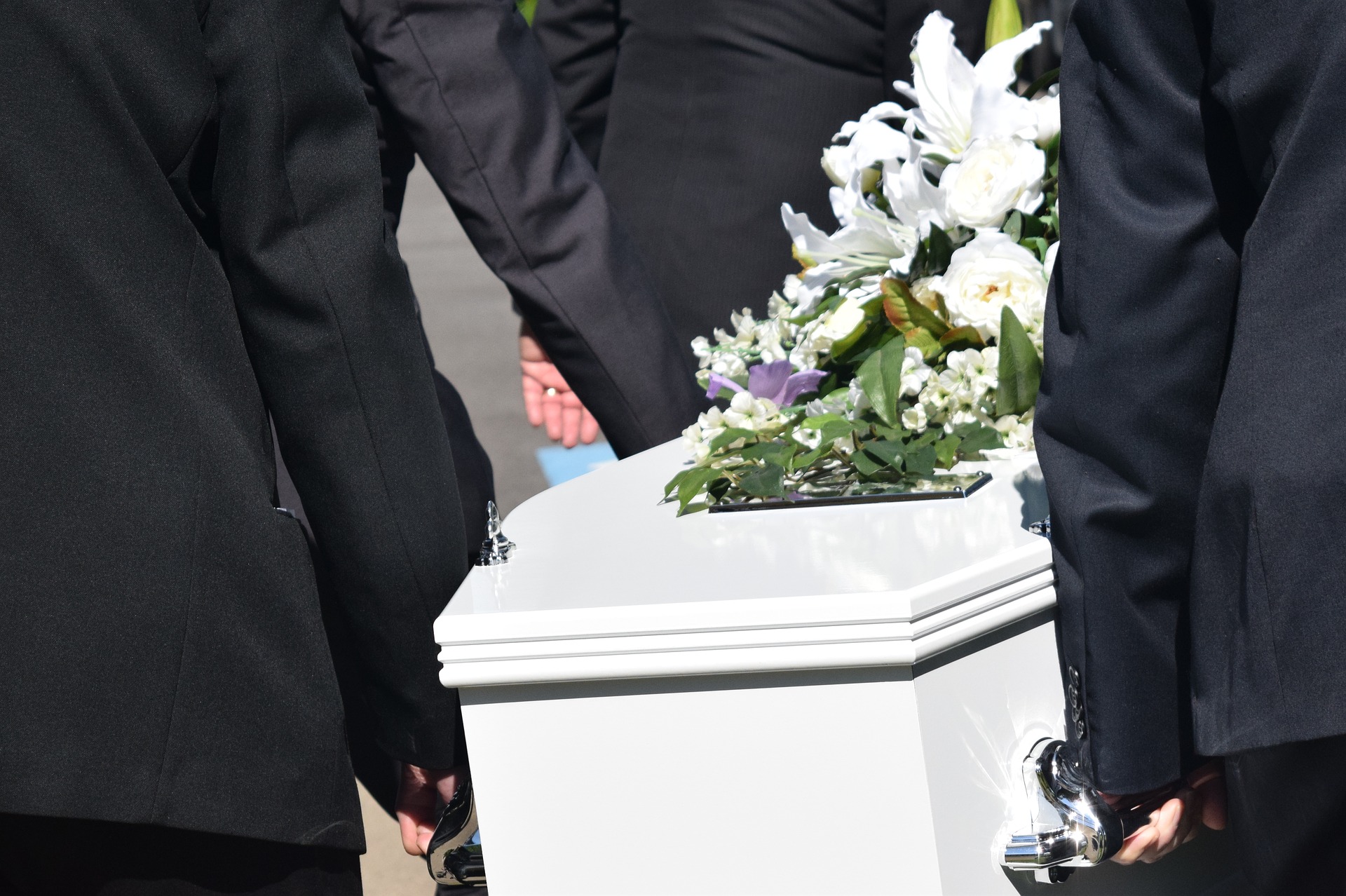
Wrongful Death Claims in Georgia

Losing a loved one is an unbelievably tragic event that can bring about a great deal of emotional and financial suffering. If you lost a loved one due to the negligence or incompetence of another party, you have the opportunity to seek legal recourse and possibly receive compensations for the damages caused by your loved one’s death.

Wrongful death in the state of Georgia is defined as a death that results from the “negligent, reckless, intentional, or criminal” act of another party. In order to file a wrongful death suit, the individual filing the suit must provide evidence that an act of negligence occurred.

Filing a Wrongful Death Claim in Georgia

The spouse of the victim may file a wrongful death claim. If the victim and his or her spouse have dependents who are minors, the spouse must act on the behalf of these dependents. In the state of Georgia, the deceased individual’s spouse is entitled to one-third of the awarded compensation, regardless of how many Wrongful Death Claims in Georgia dependents there are.

In the case that the deceased party has no surviving spouse or dependents to file a claim in court, then the claim may be filed by a parent of the deceased or a representative of the victim’s estate.

Types of Georgian Wrongful Death Claims

There are two different types of wrongful death in the state of Georgia. The first type of claim is to assess the “full value of the life of the deceased.” This includes the cost of things with a set monetary value, such as lost wages, as well as things that do not have a set monetary value, such as loss of companionship.

The second type of claim is to define and provide reparations for the financial loss that accompanied the death of the victim. Some of the damages that the plaintiff may receive compensation for are the cost of the deceased individual’s medical treatments, the cost of funeral services, and the suffering that the victim underwent.

Georgia’s Statute of Limitations

Every state has a time period in which you must file your claim in order for your case to make it to court. In the state of Georgia, the plaintiff has two years to file a wrongful death claim. There are exceptions to this rule. For example, the time period is paused if the court is handling a criminal case concerning the same incidents as the wrongful death claim. The time period resumes once the criminal case reaches its end.

Hiring a lawyer who is well-versed in Georgia’s laws is the best way to ensure that you present the strongest case possible. Our team of expert attorneys has the knowledge and capability to review the events leading up to the wrongful death of your loved one and decide what options are available to you.

Georgia Wrongful Death Lawyer

The loss of a loved one is never an easy situation to face. The Nye Law Group has the resources and the ability to provide you with the support and legal guidance that you need during this difficult time. Call us at (912) 200-5230 to learn more.

Types of Nursing Home Abuse in South Carolina

The purpose of a nursing home is to allow senior citizens to live in comfort while receiving the care and support that they need. Unfortunately, some assisted living homes mistreat and cause harm to their residents. If you feel that someone you know who is living in a nursing home is suffering from neglect and abuse due to the negligence of the home’s staff, you have a case for seeking compensation.

It is important to hold nursing homes accountable for their actions. Nursing homes have a responsibility to provide the best possible care for their those living there. If this expectation is not met, there should be action taken against the home. Any harm caused to an elderly person living in a nursing home, whether through an unintentional act of negligence or through a deliberate act of maliciousness, is unacceptable.

If your loved one is experiencing maltreatment from the staff of their nursing home, the best thing to do is to get in contact with an expert lawyer. Our team of attorneys is well-versed in South Carolina’s laws and regulations that pertain to nursing home abuse cases. Our attorneys have the skills and knowledge necessary to assess your case and provide you with the legal guidance that you need.

There are many situations that can lead to the mistreatment of a nursing home resident. These include:

  • Understaffing
  • Lack of proper training
  • Mistakes in administering medication
  • Hiring under qualified individuals
  • Third-party negligence

Any of these instances can create an unsafe environment that can result in the abuse of those living in the home.

Types of Nursing Home Abuse in South Carolina

There are different types of abuse that an elderly patient may experience in a nursing home. These include physical abuse, emotional abuse, financial abuse, sexual abuse and neglects.

Physical Abuse

Any deliberate physical maltreatment of the patient is considered physical abuse.

Emotional Abuse

This type of abuse is more difficult to detect than physical abuse. Isolation, threats, insults, and malicious language are all examples of emotional abuse.

Financial Abuse

In some cases, nursing home patients may fall victim to scams or may have their financial information stolen by an untrustworthy staff member.

Sexual Abuse

Unfortunately, patients in a nursing home may fall victim to sexual abuse. If a staff member coerces a patient into a sexual act when the patient is incapable of providing consent, it is sexual abuse.

Neglect

Patients have a right to receive their basic needs, such as an adequate supply of food and water, as well as any other needs, such as medication. Failing to provide a patient with these needs constitutes neglect.


If you feel that your loved one is suffering due to the neglect or improper treatment of their nursing home staff, you have every right to take legal action. No one deserves to live in a state of fear. At The Nye Law Group, we understand how devastating cases of nursing home abuse are. Our team of lawyers has the capability to provide you and your loved one with the strongest case possible. Call us at (912) 200-5230 to learn more about what options are available to you.


Boating Accident Laws in North Carolina

Many people in North Carolina enjoy boating as a recreational activity. Unfortunately, this activity can lead to dangerous accidents. Depending on the type of accident, these incidents may result in various injuries, or possibly even death. If you were injured or lost a loved one in a boating accident that was caused by the negligence of another party, you have the right to take legal action. Our North Carolina lawyers have a thorough understanding of the state’s rules and regulations regarding boating and are capable of creating the strongest possible case for you.

Boating Accident Laws in North Carolina

Filing a boating accident case requires determining the guilty party and providing evidence of that party’s negligent act. These cases can prove to be complex. The best course of action to take is to get in contact with a lawyer who is well-versed in boating accident cases. Our expert lawyers have the knowledge and skill to provide you with the legal guidance that you need.

Boating accidents are typically caused by some form of error, including, but not limited to, miscalculating a turn, speeding, violating boating rules, not watching out for nearby crafts, lack of proper boat maintenance, or operating a boat while under the influence.

Boating While Under the Influence

Boating while under the influence is against the law in the state of North Carolina. A blood alcohol content of 0.08 percent is the legal limit for operating a boat in North Carolina, the same as the legal limit for driving a car.

Federal Boating Laws in North Carolina

In North Carolina, there are federal maritime laws that apply to boating accident injuries that take place on navigable waters. Navigable waters include many different bodies of water, such as the ocean, harbors, rivers, lakes, and waterways. These laws mean that the boating accident case will most likely take place in a federal court, making these cases more complicated. This is why it is best to hire an expert lawyer who has a thorough knowledge of these laws.

North Carolina’s federal maritime laws utilize “comparative fault.” This means that if the injured party had held some fault in the accident, he or she can still be awarded compensation. The amount will be reduced by the percentage that the injured party’s own actions caused the incident.

Boating Accident Damages 

The party who is determined liable for the incident is responsible for providing the victim with compensation. Monetary compensation is awarded for any damages, such as injuries, medical bills, and lost wages, in an attempt to make up for these burdens.

A boating accident can involve any watercraft, such as:

  • Jet skis
  • Canoes
  • Kayaks
  • Wakeboards
  • Inflatable watercrafts
  • Airboats

If you have sustained an injury or lost a loved one due to a boating accident caused by the negligent act of another party, you may have a case for receiving compensation. At The Nye Law Group, we know how difficult this time is. Allow us to provide you with the support and resources that you need. Call us at (912) 200-5230 to learn more about the options that are available to you.

CONTACT US

NO PRESSURE. SPEAK TO AN ATTORNEY. NO HIDDEN FEES.

* All Fields Required

Or Call 912-200-5230

CONVENIENT LOCATIONS Throughout the Southeast

402 West Trade Street,
Suite 112
Charlotte, NC

704-285-6319 get directions

1509 Abercorn Street, Savannah, GA 31401

912-200-5230 get directions

402 West Trade Street,
Suite 112
Charlotte, NC

704-285-6319 get directions

1509 Abercorn Street, Savannah, GA 31401

912-200-5230 get directions
View all locations
CONTACT US

NO PRESSURE. SPEAK TO AN ATTORNEY. NO HIDDEN FEES.

* All Fields Required

Or Call 912-200-5230